Search

Press Enter to search or ESC to close

Innovation Scholarship

The programme

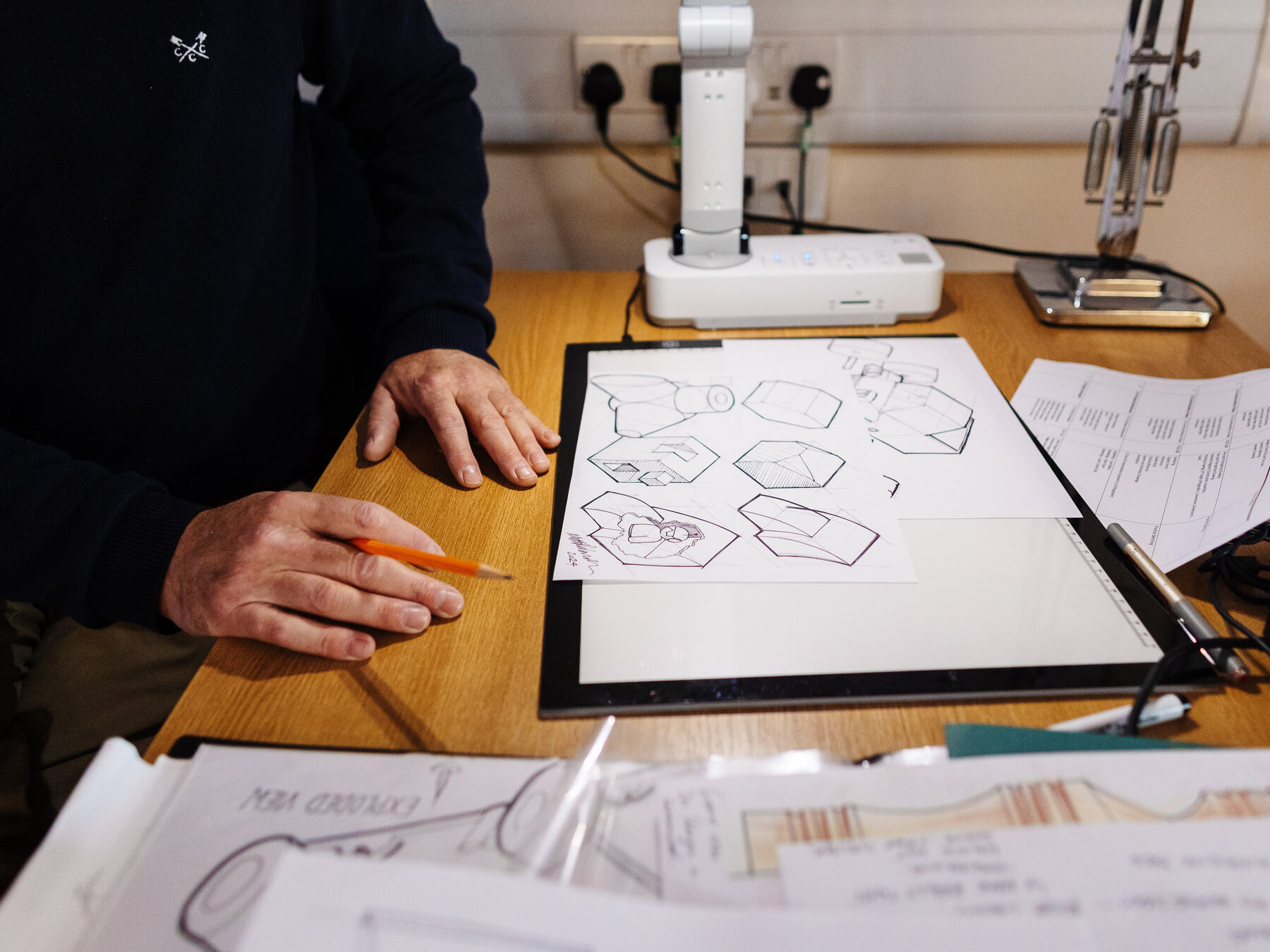
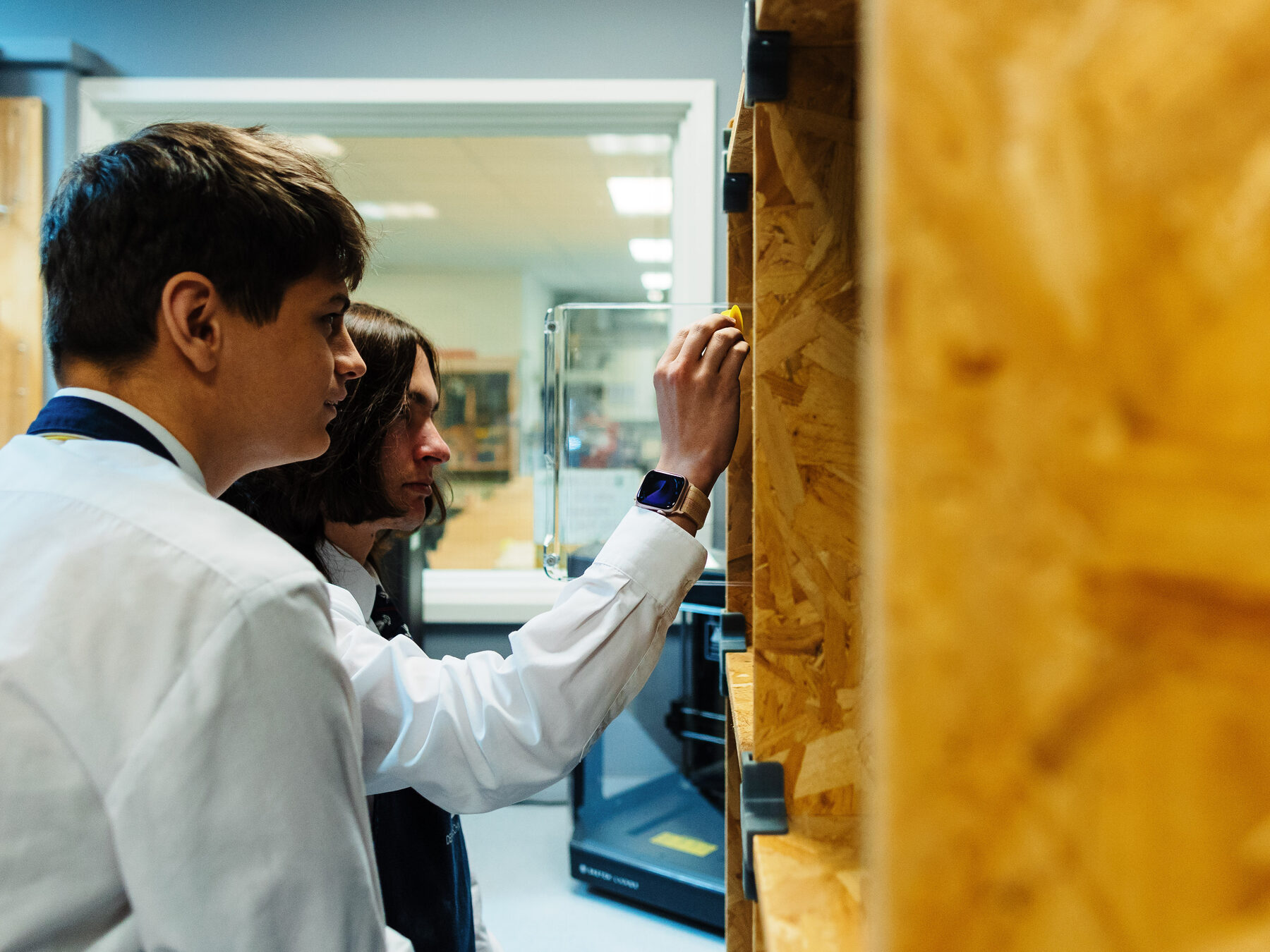
Innovation Scholars explore ideas through practical projects, specialist workshops and collabortive challenges. Opportunities may include robotics, engineering, coding, physical computing, digital fabrication, sustainable design, national competitions, exhibitions and innovation showcases.

The Head of Design Technology Engineering and the Head of Computer Science would be pleased to meet prospective candidates and answer questions.
Each scholar receives:
  • Individual mentoring from the Head of the department.
  • Regular progress reviews and personal goal-setting.
  • Opportunities to work with specialist staff and external industry professionals.
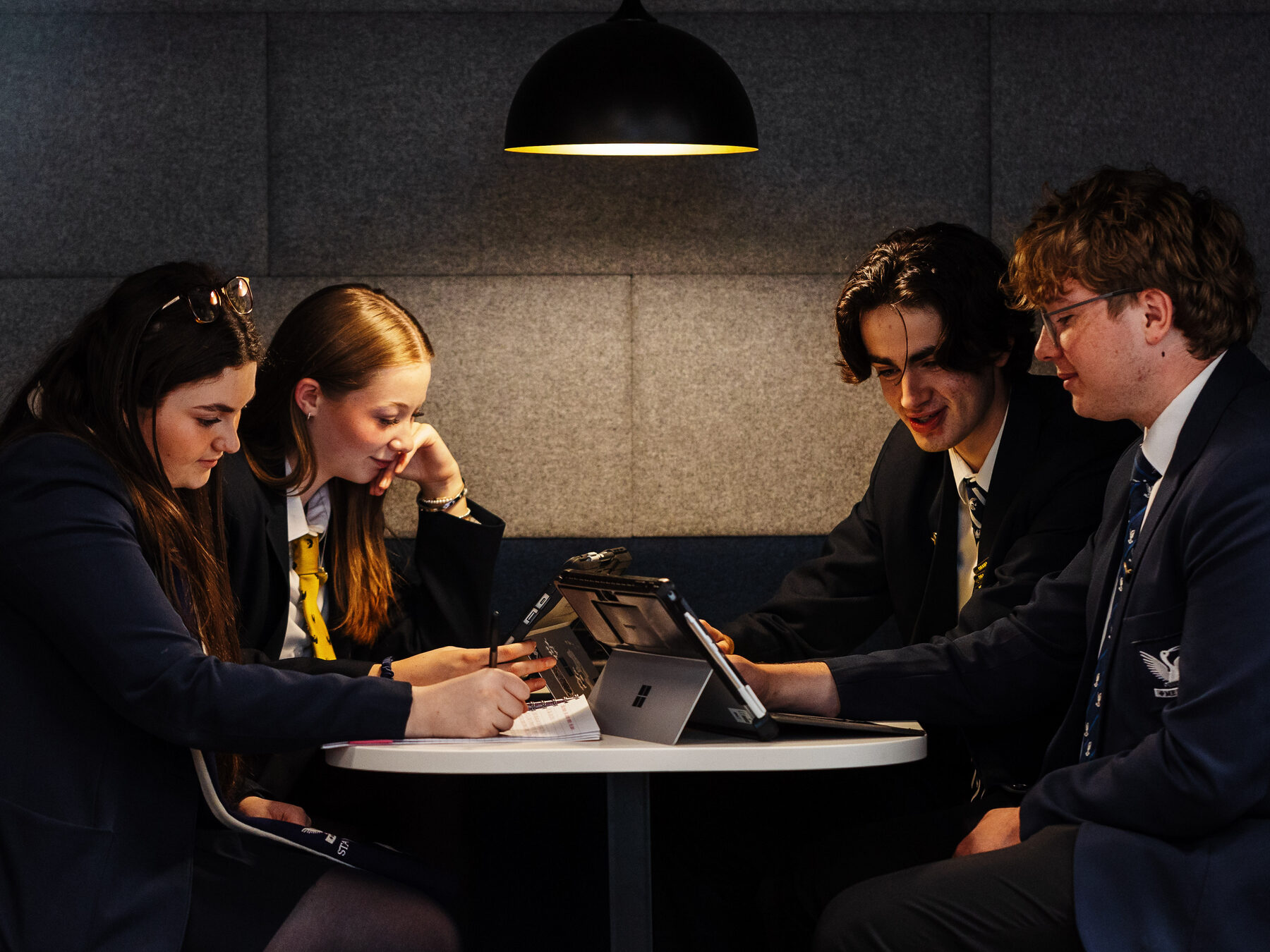
  • Experience of developing projects independently and as part of a team.
  • At Sixth Form, scholars have the additional opportunity to take on leadership roles within design teams, clubs and events, acting as role models for younger students. This tailored guidance helps them explore university, apprenticeship and career pathways in design, engineering, computing and related industries.
By the end of the programme, students will have:
  • Built a strong portfolio demonstrating creativity, technical skill and independent thinking.
  • Developed projects from initial concept through to prototyping, testing and presentation.
  • Gained the confidence to communicate their ideas to fellow students, mentors and industry professionals.
  • Explored future pathways in areas such as Engineering, Industrial Design, Architecture, Product Design, Robotics, Computer Science and Sustainability.
  • Developed the skills and mindset to become imaginative innovators, effective collaborators and future leaders.

Apply Today

Simply download the application form, fill it in and return it to us at admissions@stamfordschool.org.uk

Entry
Scholarship guide

Year 7

Successful candidates should demonstrate:

A genuine interest in design, engineering, computing and creative problem-solving.

A developing portfolio of creative work, such as models, prototypes, coding projects, physical computing or design sketches.

Curiosity and original thinking, demonstrated through activities such as STEM clubs, independent making or design and coding challenges.

The confidence to discuss their ideas, inspirations and enthusiasm for innovation with the Head of Design Technology Engineering or the Head of Computer Science.

Assessment will include:

A short practical design or problem-solving challenge.

A brief written reflection explaining the student’s ideas and design thinking.

Year 9

Successful candidates should demonstrate:

Show a strong foundation in design, creativity, and/or basic engineering or coding skills.

Curiosity, perseverance and enthusiasm for new tools and technologies.

Assessment will include:

Presenting a portfolio of Design Technology Engineering or Computing work, such as prototypes, problem solving, CAD designs, coding or digital projects.

Completing a practical design or problem-solving challenge during the assessment day.

Discussing their ideas, creative process and enthusiasm for innovation in a short interview.

Year 13

Successful candidates should demonstrate:

Experience of independent or collaborative innovation projects, competitions or enterprise.

Confidence discussing their technical processes, materials and the wider impact of their work.

Strong attainment in relevant subjects, typically equivalent to GCSE Grades 7–9.

Advanced technical skills in areas such as CAD, coding, electronics, physical computing
or 3D design.

Exhibit leadership potential in collaborative innovation projects.

Assessment will include:

Presenting a portfolio that demonstrates advanced technical and creative thinking, showing projects from initial concept through to prototyping or testing.