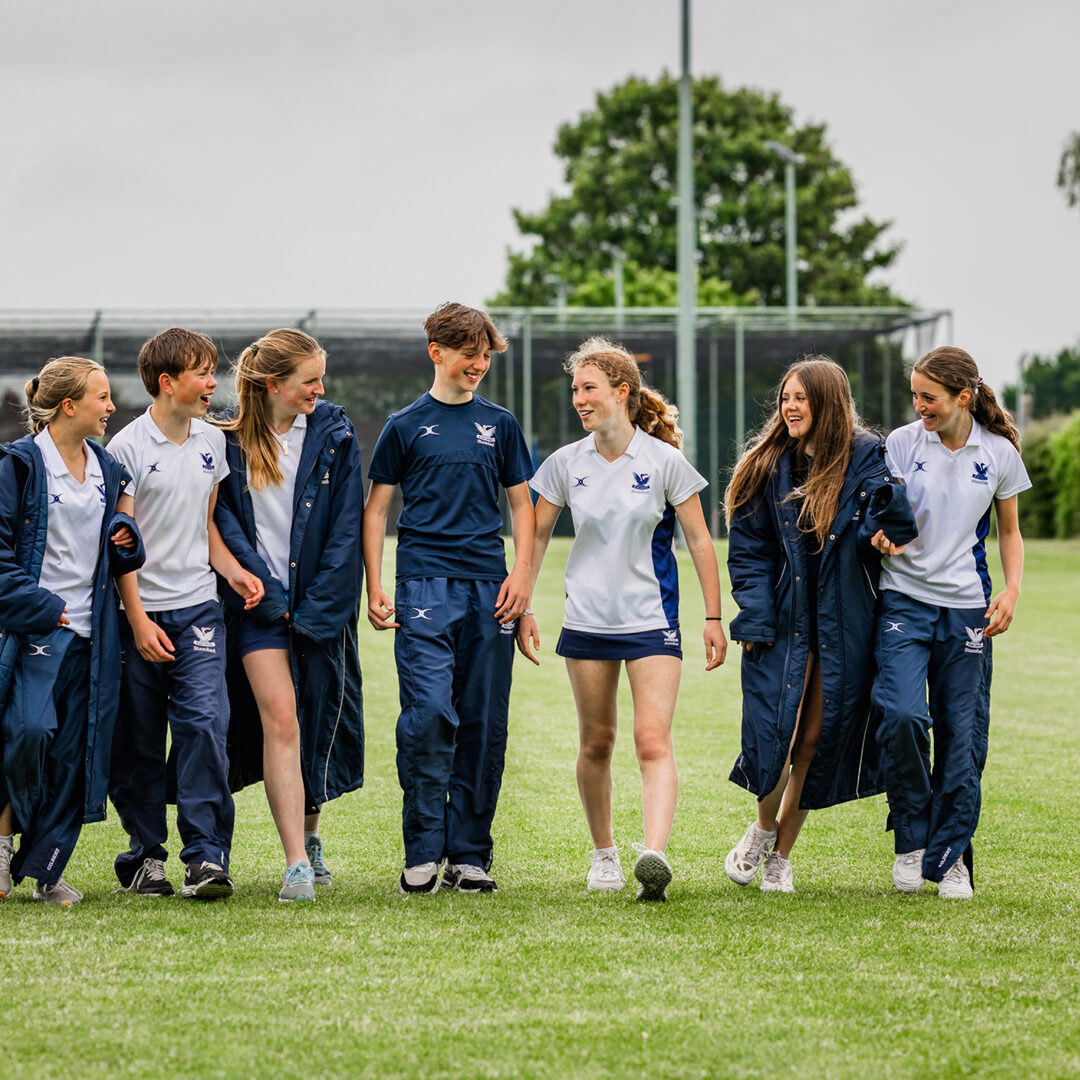
Applications now open for September 2026
Applications are now open for September 2026 entry for:
• Junior School
• Year 7
• Year 12 Sixth Form
Our Year 7 entrance exam takes place on 10 January 2026, secure your space now.
Applications are now open for September 2026 entry for:
• Junior School
• Year 7
• Year 12 Sixth Form
Our Year 7 entrance exam takes place on 10 January 2026, secure your space now.
Press Enter to search or ESC to close
Tuesday 6th January 2026
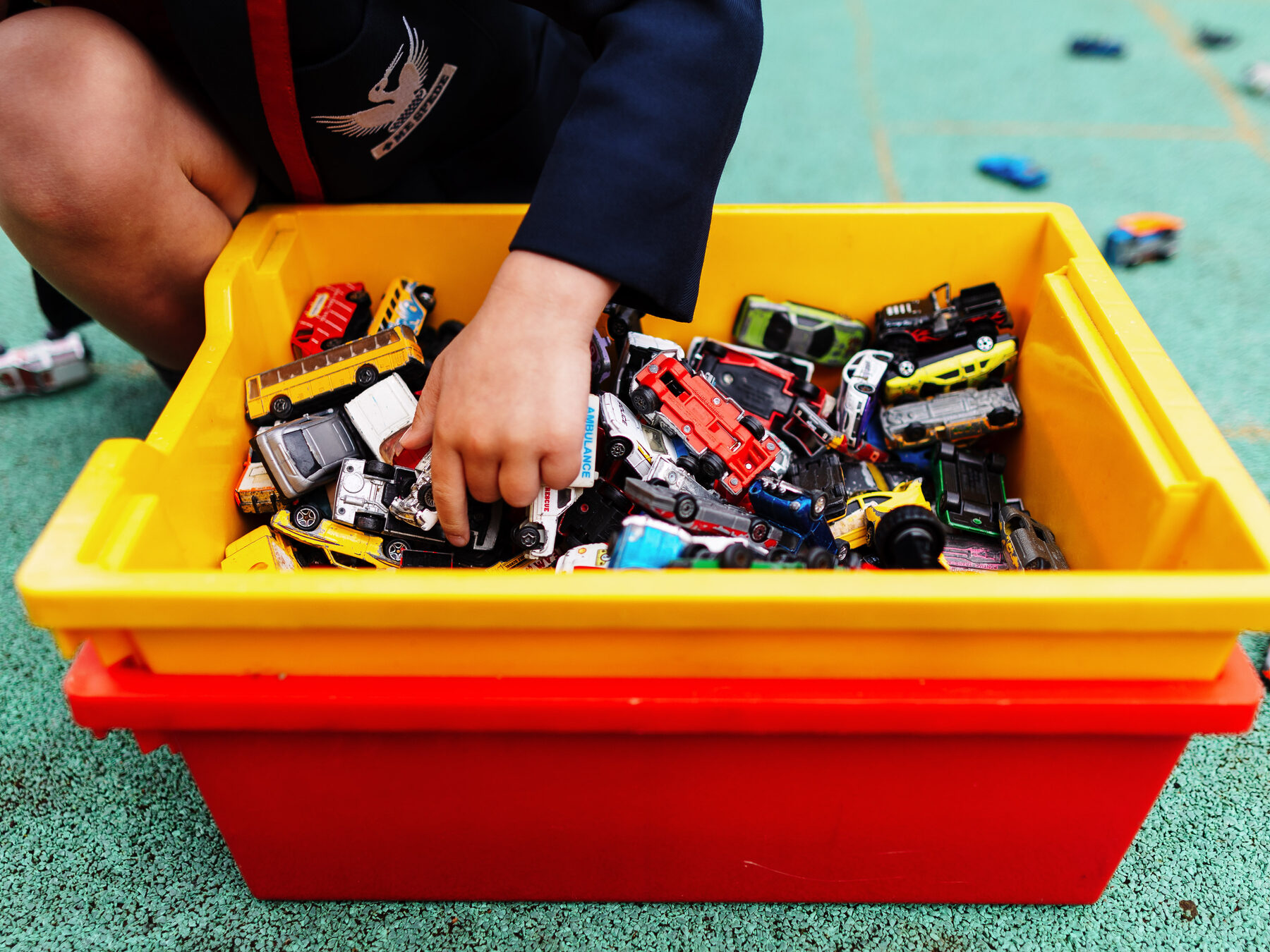
Play is far more than a way for young children to pass the time- it is their work, their language, and their way of understanding the world. Decades of educational theory and modern neuroscience converge on a powerful truth: play is the most natural, meaningful, and effective route to learning in the early years and beyond.
Friedrich Froebel, founder of the kindergarten, described play as the highest expression of human development, a space where children can explore their ideas freely. Building on this, Jean Piaget demonstrated how active, hands-on play allows children to construct knowledge for themselves, while Lev Vygotsky emphasised the social dimension of play, showing how it enables collaboration and experimentation within the “zone of proximal development”- the space where new skills can be mastered with just the right level of support.
Contemporary research confirms these foundational ideas with scientific precision. Neuroscientists have shown that when children play, their brains are at their most active. Play strengthens neural pathways linked to problem-solving, emotional regulation, and language development. It supports executive functioning, the ability to plan, focus attention, and adapt, which predicts later academic achievement even more strongly than early literacy or numeracy skills (Diamond, 2013). In short, play is not a break from learning; it is learning.
Yet despite this evidence, misconceptions persist. Play is still too often seen as a soft option- a filler between ‘real’ learning activities. In some settings, pressure to accelerate formal instruction in literacy and numeracy has led to a narrowing of the curriculum and a reduction in time for child-led exploration. Research consistently shows, however, that high-quality play-based learning not only supports academic outcomes but also builds the social, emotional, and cognitive foundations children need for long-term success (Whitebread et al., 2012).
At Stamford, we take this research to heart. Play is the engine of early education. It is not ‘just play’, but a purposeful, evidence-based approach to helping children explore, practise, and make sense of their world. The Early Years Foundation Stage (EYFS) framework recognises that children learn best through play, and effective provision blends child-initiated exploration with adult-guided moments to give each child the strongest start. This philosophy underpins every aspect of our Reception programme.
Our curriculum is built around immersive, child-led learning adventures inspired by the High Scope plan–do–review model. This approach invites children to take ownership of their learning: they plan what they want to do, carry it out, and then reflect on what worked well and what they might try next. For example, a group might decide to build a bridge in the construction area. They gather materials, test their ideas, and adjust their design as they go. Later, during review time, they discuss their discoveries: “It was strong enough for the cars, but not for the dinosaurs so next time we need bigger blocks!” This reflective process not only strengthens problem-solving, critical thinking, and self-evaluation but also lays the groundwork for metacognition- the ability to think about one’s own thinking.
Play at Stamford happens everywhere and in every subject. The Reception environment is intentionally designed to give children constant access to all areas of learning. Whether exploring numbers through baking, writing shopping lists in the home corner, or designing obstacle courses in the outdoor area, learning is always purposeful, interconnected, and meaningful. The classroom buzzes with conversation, laughter, and concentration. Children are free to move, create, and collaborate, and every moment offers a new opportunity for growth.
Outdoor play holds a special place in Stamford’s philosophy. Nature provides the most inspiring classroom of all, and Wild Wednesdays are a highlight of the week. Led by our outdoor learning specialist, affectionately known as Mr Adventure, these sessions take place in the school’s green spaces and woodland areas. One week might involve searching for minibeasts and creating habitats; another might see children building shelters, mixing natural paints from mud and leaves, or testing which materials make the best boats in a puddle. These sessions weave together every area of the EYFS- communication and language, understanding the world, and physical development, all through authentic exploration. Children develop resilience, teamwork, and a genuine respect for the natural world.
The impact of play extends into our specialist subjects, too. In music, playful singing games develop rhythm, pitch, and confidence. In Spanish, songs, stories, and role-play bring language to life, helping children communicate with joy and enthusiasm. Even in swimming, learning is rooted in fun- children chase floating toys, race through hoops, and take part in imaginative challenges that build both skill and self-assurance. Each subject uses play as a bridge between curiosity and understanding.
Crucially, play also cultivates the social and emotional foundations of learning. Through shared adventures, children learn to negotiate, take turns, empathise, and manage their emotions. They become confident communicators who can articulate their ideas and listen to others. These are not ‘soft skills’ but essential building blocks for future success. Through rich, sustained play, children practise language and communication as they tell stories and solve problems; strengthen social and emotional skills as they share and manage conflict; and develop cognitive and physical abilities by experimenting with materials and movement. Research highlights how child-led and imaginative play builds self-regulation, resilience, and early literacy and numeracy foundations, all essential for a successful transition to Year 1.
That transition is a key focus at Stamford. Our Year 1 team builds on the foundations laid in Reception by continuing to offer rich, practical, and exploratory learning experiences. While expectations gradually increase, the pedagogy remains rooted in active learning. Children still build, investigate, role-play, and reflect, but with growing independence and complexity. This continuity ensures that children move forward with confidence, curiosity, and a deep love of learning.
Parents who visit often remark on the atmosphere of purposeful calm and engagement. They see children deeply immersed in what they are doing- experimenting, cooperating, and solving problems together. Behind every block tower, mud pie, or make-believe shop, there is a web of learning: mathematical reasoning, literacy development, scientific inquiry, creativity, and emotional growth.
By recognising play as the true engine of learning, we give children not only the skills for school but also the curiosity, creativity, and confidence to approach every new challenge as an adventure in discovery. At Stamford, play is respected as serious learning- joyful, meaningful, and grounded in research. Every game, conversation, and challenge contributes to the development of capable, curious, and confident learners. By embracing play as the heart of the curriculum, we ensure that our youngest children not only gain the skills they need for school but also develop the lifelong love of learning that makes every new adventure possible.
References
Written by Nina Armstrong, Nursery Business Manager and Registrar and Nicky Woodward, Nursery Manager.